If your knees, shoulders, or hips ache every morning and you've been told your only options are pain pills or joint replacement, this article is for you. Regenerative medicine for joint pain is one of the fastest-growing non-surgical approaches in the country — and here's what Wilmington patients actually need to know before committing to it.
Kennedy Health Center Medical Team
Regenerative & Joint Pain Specialists • Wilmington, DE
Regenerative medicine for joint pain is a non-surgical treatment approach that uses your body's own healing components — such as platelet-rich plasma (PRP), exosomes, and targeted injections — to reduce inflammation and support the repair of cartilage, tendons, and ligaments. At Kennedy Health Center in Wilmington, Delaware, it is used for knee, shoulder, hip, and hand joint pain from arthritis, injury, and overuse. It is not a same-day cure and not a replacement for surgery in every case — it works best for the right candidate, which is why a proper evaluation comes first.
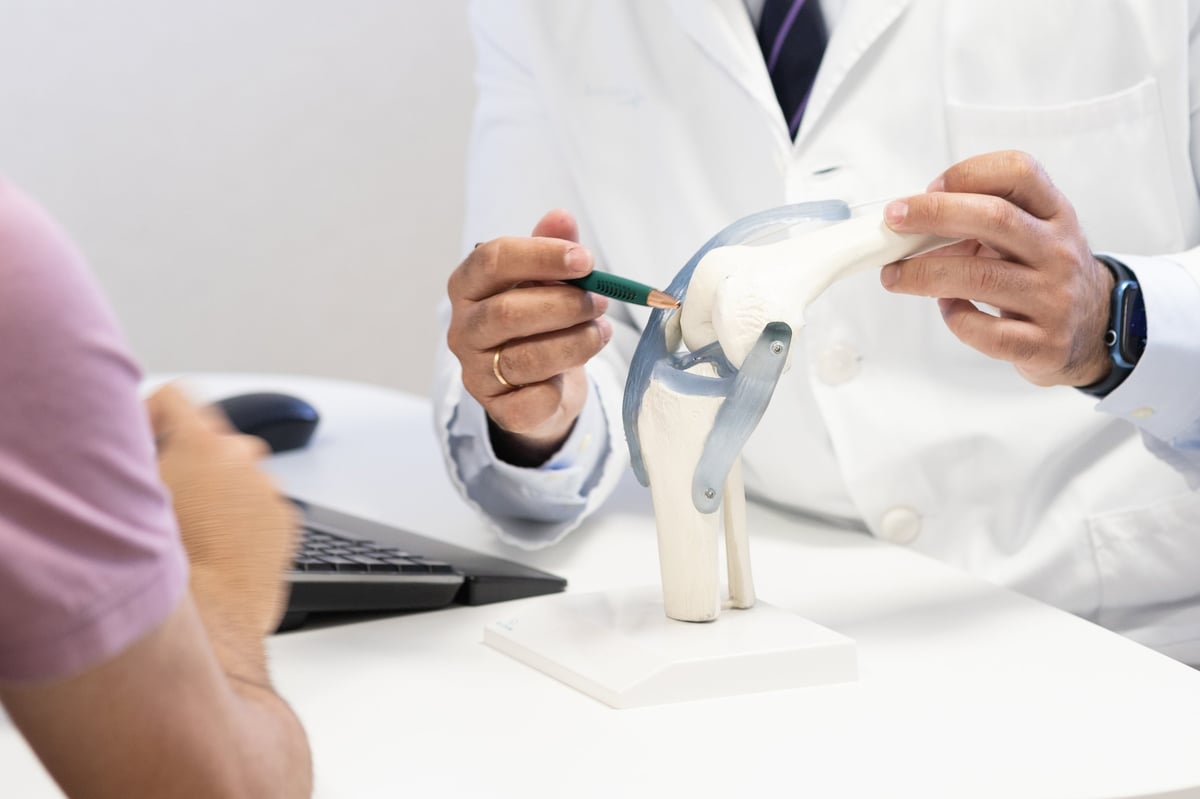
Joint pain doesn't arrive dramatically. It creeps in. First it's a twinge on the stairs. Then it's the reason you stop kneeling in the garden, then the reason you give up your Saturday tennis game. Eventually, it's the thing dictating how much you move — and for most people, how much they enjoy their life.
When you finally see a doctor, you often get the same two options: pain medication for as long as you can tolerate it, or joint replacement surgery when you can't. But that's not the whole menu. Regenerative medicine sits in an in-between space that most patients are never told about — one that can buy real function and real time before you ever consider a scalpel.
This guide covers what regenerative medicine for joint pain actually is, which conditions it helps, who's a good candidate, and how to tell whether it's worth it for you. No hype. Just the honest picture we give our patients in Wilmington every week.
The word "regenerative" gets thrown around loosely, so let's be precise. Regenerative medicine for joints does not mean regrowing a new joint or reversing arthritis completely. What it does is more modest and more realistic: it delivers concentrated healing factors directly into a damaged joint to reduce inflammation, improve the local environment, and support your body's own repair mechanisms.
Where traditional treatments manage the symptom — a steroid injection quiets inflammation for a few months, an NSAID masks the pain — the regenerative approach tries to influence the underlying tissue. That distinction is why patients often describe the results as feeling different rather than just numbed.
A sample of your own blood is spun down to concentrate the platelets and growth factors, then injected into the affected joint or tendon. Commonly used for knee osteoarthritis, tendonitis, and ligament injuries.
Exosomes are signaling particles that carry instructions for repair and anti-inflammatory activity. They're used to support tissue healing and reduce joint inflammation, often alongside other regenerative therapies.
Hyaluronic acid injections that supplement the joint's natural lubricating fluid, improving cushioning and mobility — particularly for knee osteoarthritis.
Laser therapy, shockwave therapy, and red light therapy are used alongside injections to improve circulation, reduce pain, and support the healing response without needles.
Setting the right expectation
Regenerative medicine is not a cure-all, and anyone promising guaranteed results is overpromising. It works best for mild-to-moderate joint damage in a patient who is willing to support the treatment with movement, nutrition, and time. Used in the right patient at the right stage, the results can be genuinely meaningful.
Not every joint problem is a good fit. These are the situations where we most often see strong results with regenerative joint therapy in our Wilmington clinic:
The most common joint complaint we see. For mild-to-moderate degeneration, regenerative and lubricating injections can reduce pain and improve walking tolerance — often delaying or avoiding knee replacement for years.
Tendonitis, partial rotator cuff tears, and frozen shoulder often respond well to regenerative injections, especially when paired with guided rehabilitation.
Thumb base arthritis and finger joint pain are notoriously hard to live with. Regenerative approaches can ease pain and improve grip function without surgery.
Tendon injuries, bursitis, and early hip arthritis in active adults are common candidates — particularly for people who want to stay active instead of scaling back.
The only honest way to know which side of that line you're on is a proper evaluation — history, physical exam, and review of your imaging. At Kennedy Health Center in Wilmington, we tell patients plainly when regenerative care isn't the right fit and they'd be better served elsewhere.
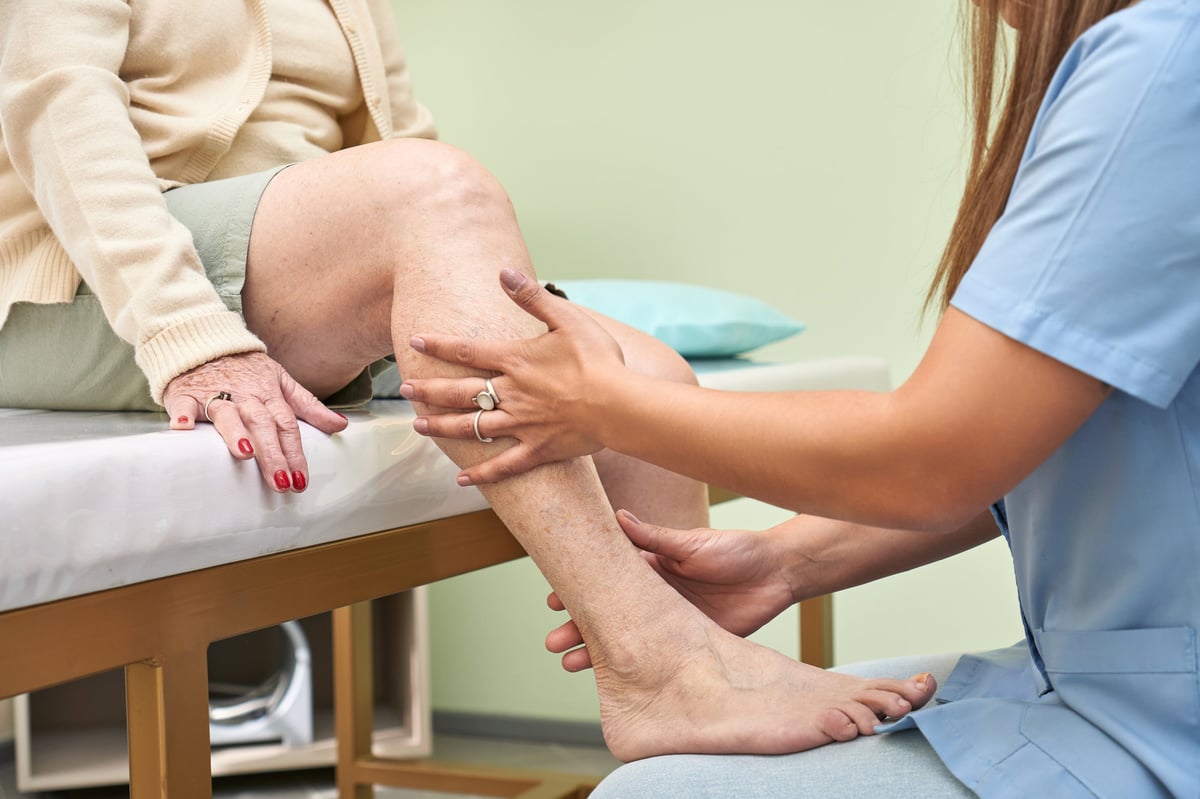
If you've been searching for a regenerative medicine doctor in Wilmington, Delaware, or a non-surgical joint pain specialist near me, the real question isn't just "who does injections" — it's who will investigate why your joint is breaking down in the first place. Joint pain rarely exists in isolation. Inflammation, metabolic health, and even gut function all influence how well your joints heal.
That's the advantage of a center that combines regenerative medicine with a root-cause, functional approach. We don't just treat the joint — we look at the whole picture that's keeping it inflamed. Patients travel to us from across the region for exactly that reason.
Our Wilmington clinic is conveniently located for patients throughout New Castle County and the Tri-State area:
Your first appointment is a thorough evaluation, not a sales pitch. We review your history, examine the affected joints, assess how you move, and look at any imaging or labs you already have. If regenerative treatment is appropriate, we explain the rationale, the realistic timeline, and the cost upfront — before you commit to anything.
A question to ask any clinic you're considering
"What will you do if I'm not a good candidate?" A clinic that has a real answer — and is willing to refer you elsewhere — is a clinic worth trusting. If every patient who walks in is told they need the same treatment, that tells you something.
The questions Delaware patients ask most about regenerative joint pain treatment.
Stop guessing and get a real answer. Come in for a thorough joint evaluation and an honest conversation about your non-surgical options. Serving Wilmington, Newark, Greenville, and the entire Tri-State area.
More health insights from our Wilmington medical team.
How to tell which option is genuinely right for you — including the situations where each one clearly wins.
Advanced non-surgical solutions for lasting knee pain relief in Wilmington, Delaware.
Browse every article on functional medicine, pain relief, and root-cause care from our Wilmington team.